International Climate and Peace Advocacy
COP30 - Belém, Brazil
-
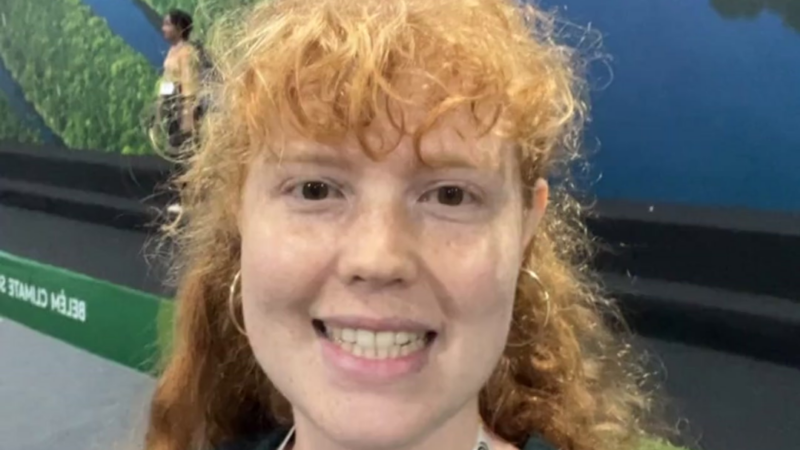
Elsa Barron
1.5°C to Stay Alive
ICP associate, Elsa Barron @elsioso on the significance of the 1.5°C target at this #COP30 in Brazil. We continue to call for urgent, equitable pathways to return within the 1.5°C limit through just transitions, ecological care, cultural, and community lead adaptation, and decolonized financial mechanisms. -
COP30
Safeguarding Our Home
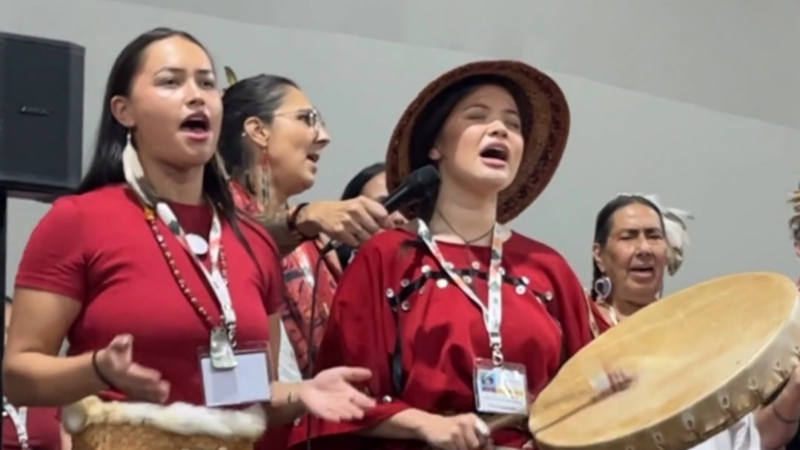
At #COP30, Honorable Bremity Lakjohn, the Republic of the Marshall Islands Minister in Assistance to the President and Environment, delivered the Marshall Islands’ National Statement calling on global leaders to chart a course that keeps 1.5°C alive. From Bélem to the Pacific, the Marshall Islands reminds the world that transformational adaptation must be matched with global action to safeguard our homes, lands, cultures, identities, and collective futures. -
Brianna Fruean
Promises Must Become Action
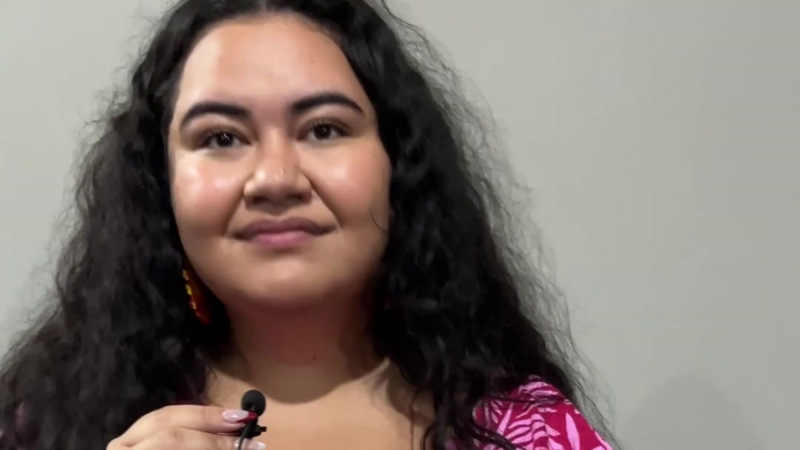
Pacific Climate Leader, Brianna Fruean (@briannafruean) spoke with ICP associate Elsa Barron (@elsioso) on what it means to represent the Pacific at COP, and the ongoing fight to ensure that our communities are not falling through the gaps. She shares a hopeful yet urgent call as #COP30 comes to an end, that promises must become action.
COP29 – Baku, Azerbaijan
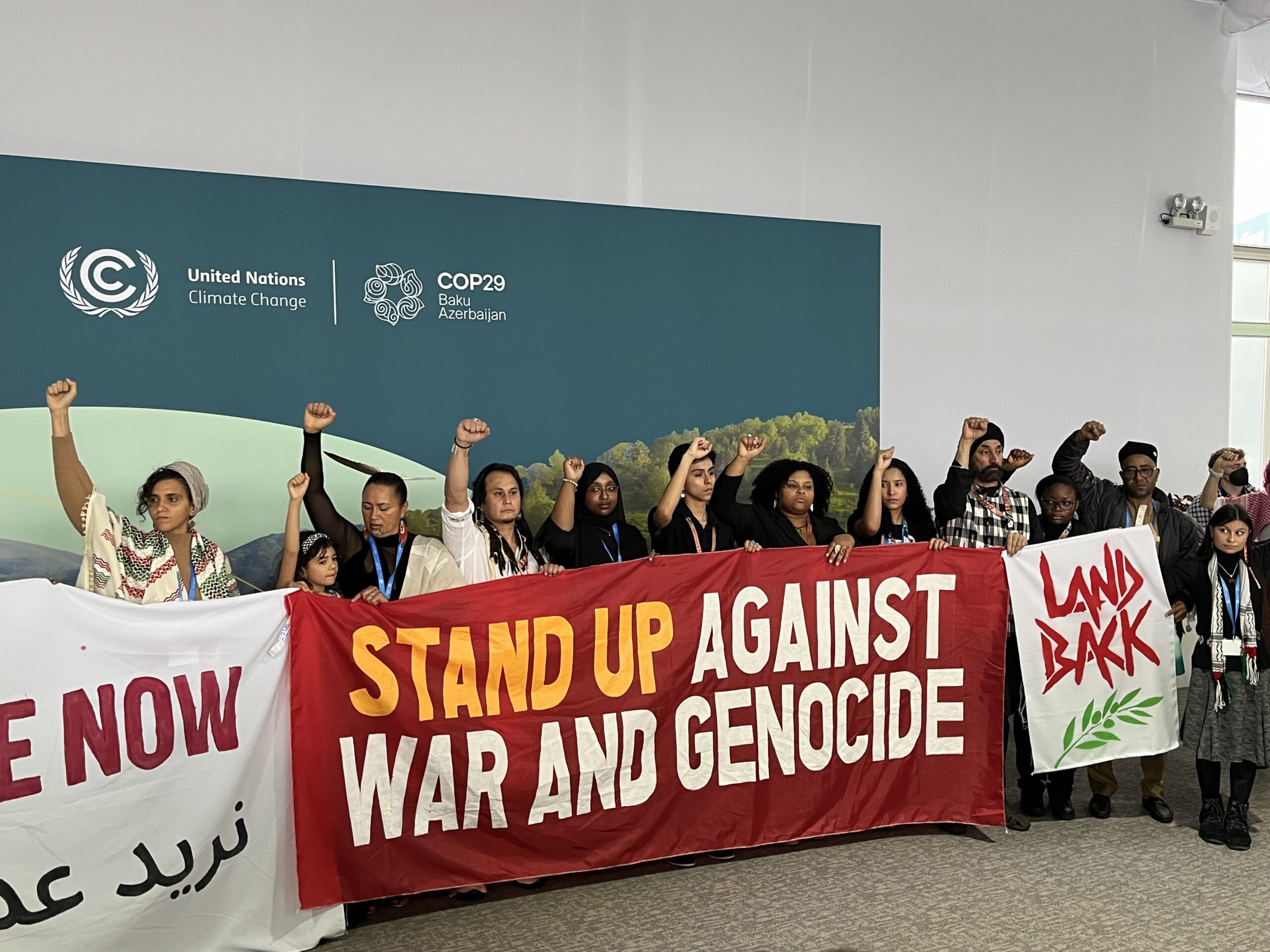
Our goal at COP29 is to champion people-centered climate action from the ground up, standing in solidarity with those most affected by the consequences of climate change. We advocate for a greater integrated vision of peace and climate justice for those who bear the weight of issues including food insecurity, water scarcity, displacement, conflict, and human rights violations.
The Institute for Climate and Peace calls for expanded thinking on the intersection between climate change and peace. In partnership with a coalition of peace-focused organizations, ICP has outlined key policy ambitions in the report, “Navigating the peace and security implications of climate change: Recommendations on the climate-conflict nexus at COP29.” These recommendations cover topics of conflict sensitivity, climate finance, loss and damage/ climate justice, the green transition, mitigating the climate and environmental impacts of military and security-sector actors, youth, learning across sectors, and community engagement/ local ownership. You can read the full recommendations here.

COP28 – Dubai, UAE
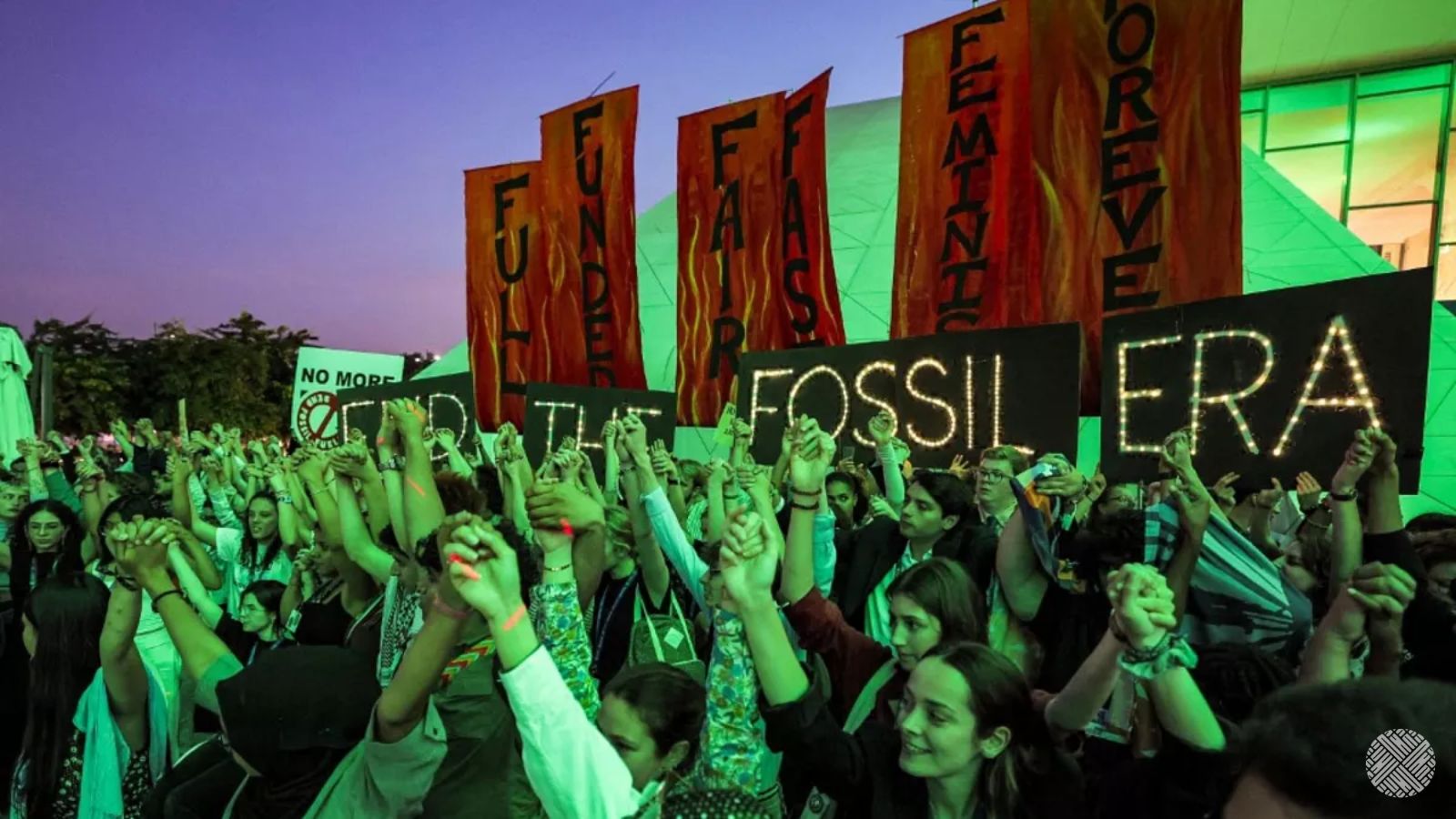
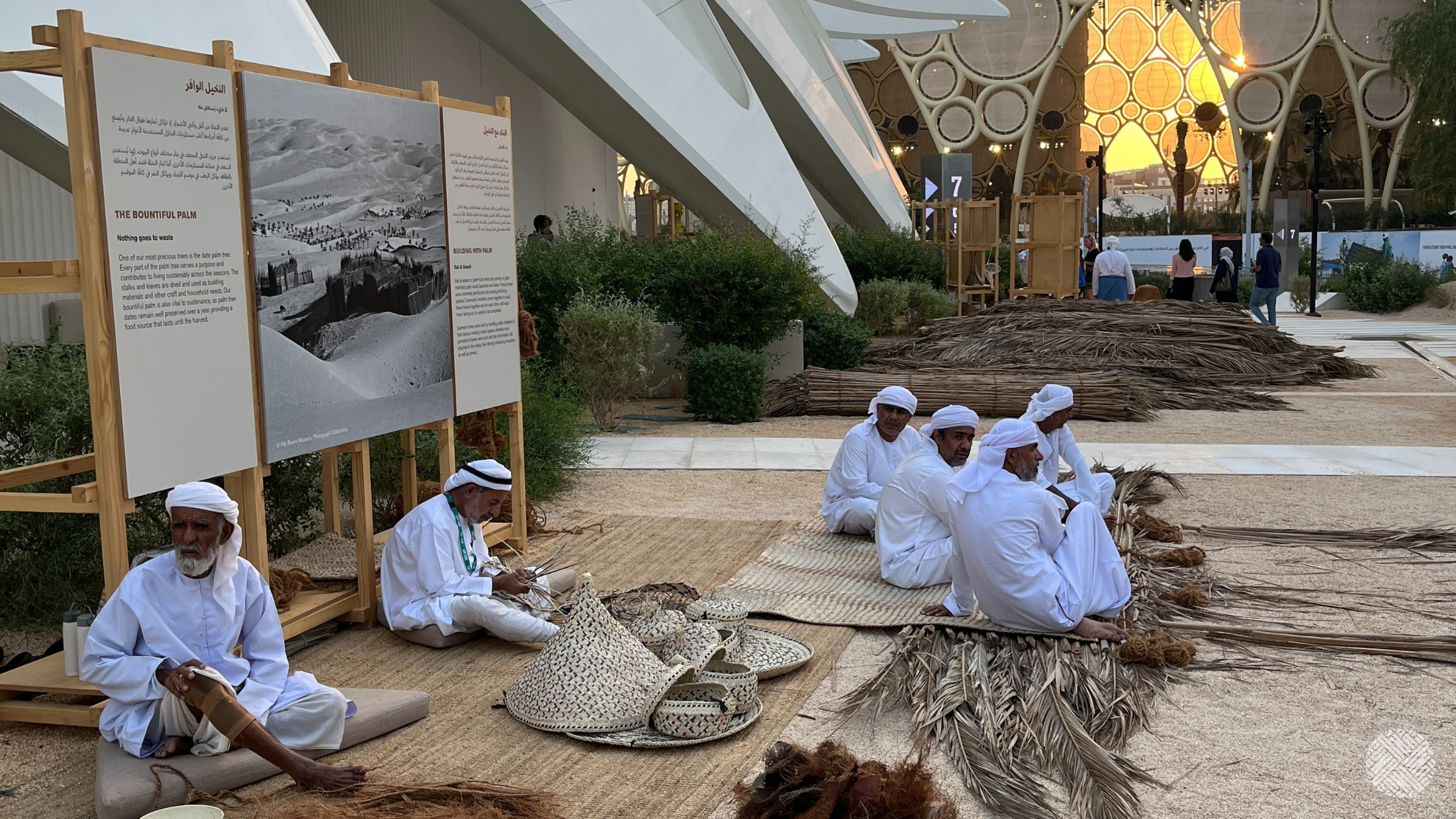
At COP28 in Dubai, UAE, the Institute for Climate and Peace holds space for Pacific and Indigenous voices in climate action, uniting mitigation, adaptation, finance, and collaboration, as the building blocks for a peaceful and sustainable future.
Representing unity and resilience, we champion climate justice at COP28 in Dubai, UAE, forging partnerships to bridge the gap between climate action and peacebuilding, ensuring a harmonious, equitable world for all.
These key messages reflect the Institute for Climate and Peace’s commitment to addressing climate change, fostering resilience, ensuring financial support, promoting collaboration, and working towards a more peaceful and sustainable world:
- Mitigation – End sacrifice zones, just transition.
- Adaptation – Social cohesion is climate adaptation.
- Finance – Finance the [grass]root solutions.
- Collaboration – Collaborate to break patterns of colonialism.
- Peace/Peacebuilding – Every climate advocate is a peacebuilder.
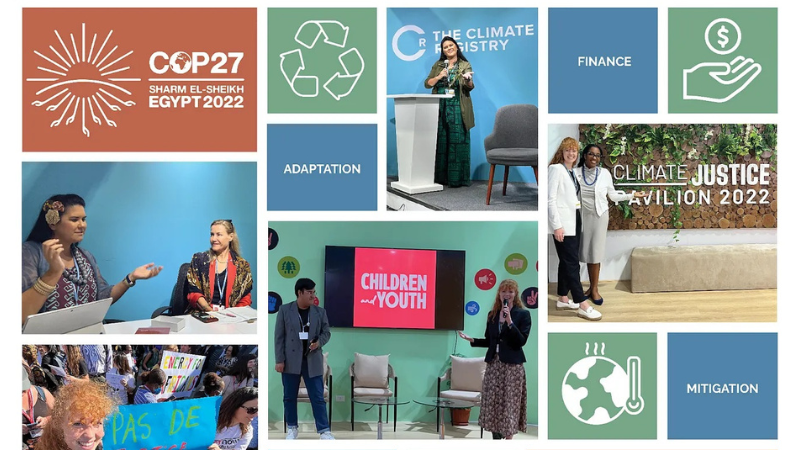
COP27 – Sharm El Sheikh, Egypt
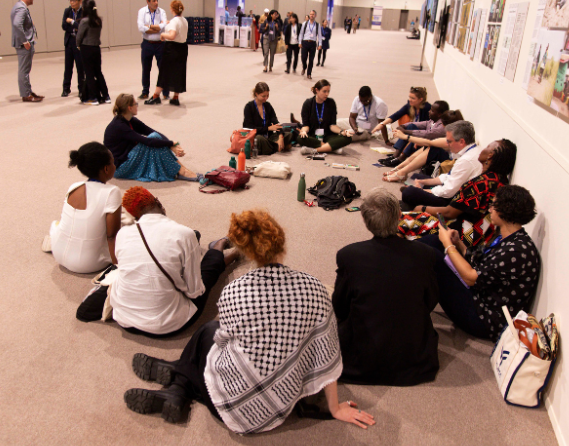
The official theme of COP27 was “Together for Implementation,” and the values of ambition and humility guided the U.S. delegation’s approach to the summit. Along with upholding these themes and values, the ICP team brought four powerful messages of its own to the two weeks of discussions, events, and programming, both in-person and online.
- On mitigation, governments must give power to Indigenous Peoples for climate mitigation and place-based stewardship.
- On adaptation, scaled-up efforts should prioritize islands.
- On finance, programs must invest in conflict prevention and peacebuilding.
- On collaboration, climate solutions should be action-oriented, collaborative, and bottom-up.